
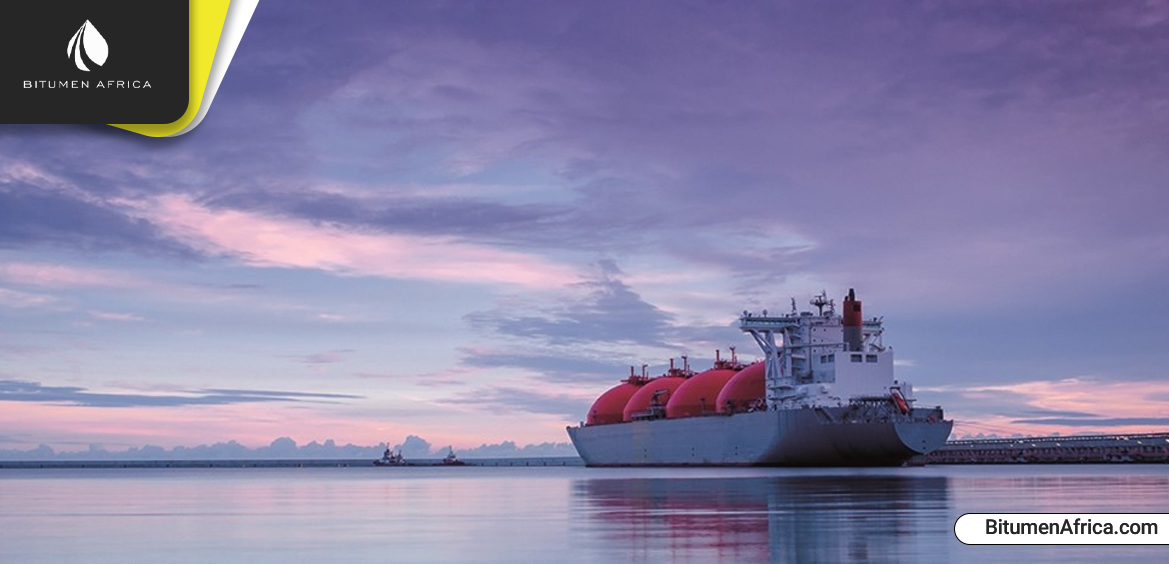
The global energy landscape is shifting rapidly, and liquefied natural gas (LNG) is at the center of this transformation. The United Arab Emirates (UAE) is stepping up its role as a key LNG supplier, aiming to meet skyrocketing demand that experts warn will soon outpace investment in new supply.
🚀 UAE’s Growing LNG Ambitions
Speaking at Abu Dhabi Financial Week, UAE Energy Minister Suhail al-Mazrouei emphasized the country’s dual focus: meeting domestic energy needs while expanding LNG exports. He echoed Qatar’s concerns that global demand will far exceed the pace of new projects, creating a looming supply crunch.
“We intend not only to satisfy our local demand, but we are also growing our export of LNG,” al-Mazrouei said.
⚡ AI and the Demand Surge
The demand spike isn’t just about traditional growth in Asia—it’s being fueled by the rise of artificial intelligence (AI). Data centers powering AI applications require massive amounts of electricity, and LNG is increasingly seen as a reliable fuel source to meet this need.
QatarEnergy’s CEO and Minister of State for Energy Affairs, Saad Sherida Al-Kaabi, highlighted this trend at the Doha Forum:
“I have no worry at all about demand in the future. I have a worry about lack of investment for additional supply in the future, which will cause prices to spike.”
Global LNG demand is projected to soar from 400 million tons annually today to 600–700 million tons by 2035—a staggering increase of 200–300 million tons.
🏗️ The Ruwais LNG Project
To position itself for this future, the UAE is betting big on the Ruwais LNG project in Abu Dhabi. This flagship development will be the first LNG export facility in the Middle East and North Africa to run on clean power, underscoring the UAE’s commitment to sustainability.
Key highlights of the project:
- Two 4.8 million mtpa liquefaction trains
- Doubling ADNOC’s LNG capacity to 15 million mtpa
- Long-term offtake agreements already signed with Germany and Shell
- Commercial operations expected by end of 2028
🌐 What This Means for Global Energy
The UAE’s expansion, alongside Qatar’s ambitious plans to double its LNG exports to 142 million mtpa by 2030, signals a new era in the Gulf’s energy strategy. As Asia and other regions ramp up consumption—and AI accelerates electricity demand—the race to secure LNG supplies will intensify.
For consumers and industries worldwide, this could mean:
- Greater reliance on Gulf LNG exports
- Potential price volatility if supply lags behind demand
- A stronger push toward cleaner, more efficient LNG production