
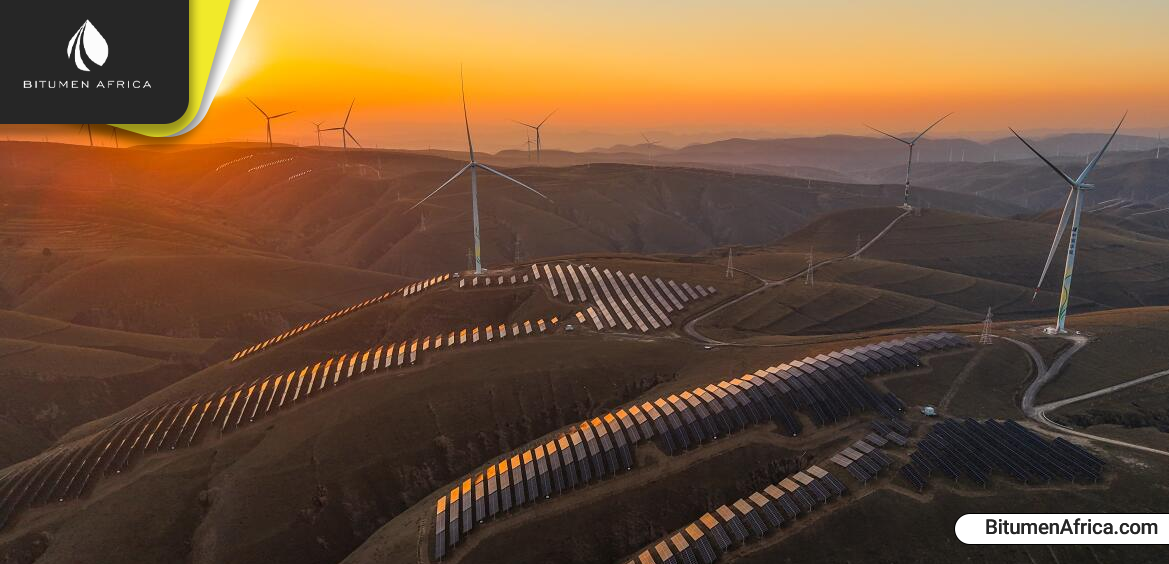
China is on the verge of a symbolic milestone in its energy transition: solar generating capacity is set to surpass coal capacity for the first time this year, according to a new report from the China Electricity Council. For a country long defined by coal‑fired power, the shift is striking. But the deeper picture is far more nuanced than a simple “coal down, solar up” narrative.
⚡ Solar and Wind Are Reshaping China’s Power Mix
By the end of 2026, China is expected to get about half of its installed generating capacity from solar and wind, while coal’s share will fall to roughly one‑third. The numbers behind this shift are enormous:
- Coal capacity by end‑2025: 1,333 GW
- Solar capacity by end‑2025: 1,200 GW
- Average solar growth over the past three years: 270 GW per year
And the build‑out isn’t slowing. The Los Angeles Times reports that China plans to add over 400 GW of new generation in 2026, with 300 GW coming from solar and wind alone.
On the surface, this looks like a decisive turn away from coal. But that conclusion would be premature.
📉 Why Slower Renewable Growth Doesn’t Mean Coal Is Dying
The key number to watch is the 300 GW of new renewable capacity planned for 2026. It’s a huge figure — but still smaller than last year, when solar alone added 315 GW.
The slowdown isn’t about waning enthusiasm for renewables. It’s about policy.
🏛️ A Regulatory Shift Is Reshaping China’s Solar Boom
Until mid‑2024, China supported renewable projects through government‑set feed‑in tariffs, which guaranteed developers a fixed price for the electricity they produced. That system created a rush of investment and record‑breaking solar installations.
But on June 1, 2024, China switched to a market‑based auction system, forcing new wind and solar projects to compete on price. The goal:
- Encourage efficiency
- Lower long‑term costs
- Reduce reliance on subsidies
Knowing the change was coming, developers raced to complete projects before the deadline — inflating last year’s numbers and making this year’s growth look slower by comparison.
🏭 Coal Isn’t Going Away — Yet
Even as solar capacity overtakes coal, China continues to rely heavily on coal‑fired power to meet peak demand and stabilize the grid. Installed capacity is only part of the story; coal still generates far more electricity than solar, especially during evenings and cloudy seasons.
China’s strategy is not an abrupt coal exit but a dual‑track approach:
- Build renewables at unprecedented speed
- Maintain coal as a reliability backbone
This approach reflects China’s massive electricity demand, which continues to rise as the economy electrifies.
🔮 The Real Story: China Is Expanding Everything
China’s energy system is so large — and its demand so relentless — that it is simultaneously:
- Building more solar than any country in history
- Adding wind at record pace
- Maintaining and upgrading coal capacity
- Expanding nuclear and hydropower
Solar overtaking coal in installed capacity is a milestone worth noting, but it doesn’t signal the end of coal. Instead, it highlights the scale and complexity of China’s energy transition.
China is not replacing coal with solar. It is layering solar on top of coal to meet a future where electricity demand keeps climbing.