
Solar energy has been one of the world’s fastest‑growing power sources for decades. As costs continue to fall and global demand accelerates, 2025 marked another milestone: the world added one‑third more solar capacity than in 2024. Renewables are now so affordable and scalable that they’re reshaping energy systems everywhere.
But this rapid expansion comes with challenges that can’t be ignored.
⚡ The Hidden Weakness in the Renewable Boom
While solar and wind are transforming global power markets, two major issues threaten long‑term energy security:
- Grid and transmission systems aren’t keeping up. Massive renewable additions require equally massive upgrades in infrastructure, yet investment in grids lags far behind.
- Solar and wind are variable by nature. Unlike fossil fuels, which can be ramped up or down on demand, renewables depend on sunlight and wind—factors no one can control.
Solar panels produce the most energy during midday, but demand often peaks in the evening. This mismatch forces grids to rely on backup sources, storage, or curtailment.
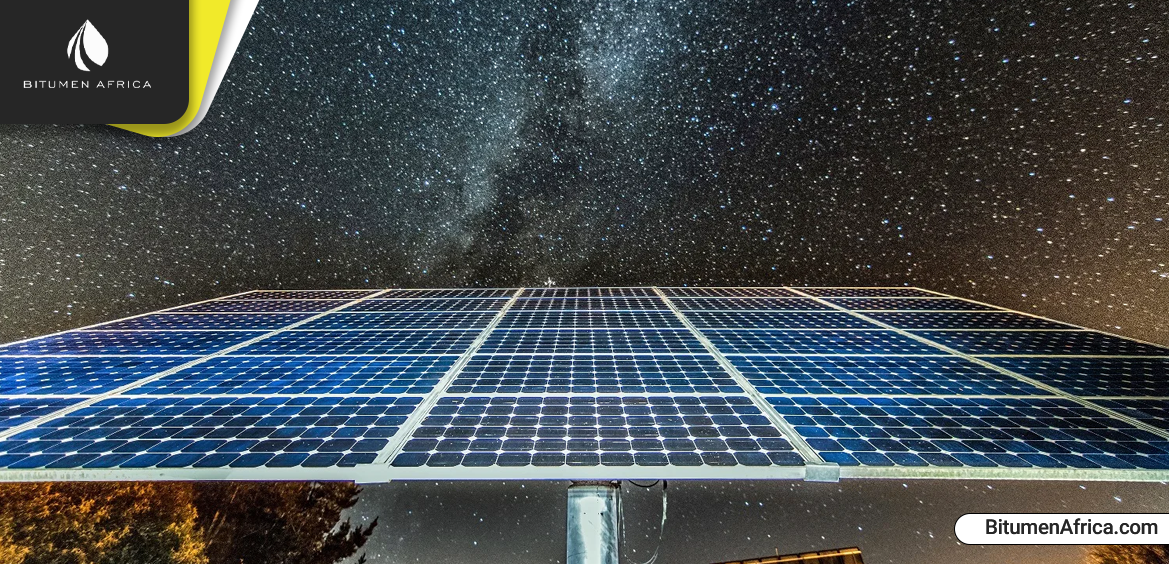
But what if solar panels could work at night?
🌙 Australia’s Scientists Are Flipping Solar Technology Upside Down
A research team in Australia is developing a solar panel that generates electricity after sunset—a concept that sounds like science fiction but is rooted in real physics.
Instead of absorbing sunlight like traditional photovoltaics, these devices emit light. They operate using a semiconductor known as a thermoradiative diode, which converts heat into energy.
Here’s how it works:
- During the day, the Earth absorbs solar heat.
- At night, the planet releases that stored heat as infrared radiation.
- The thermoradiative diode captures this outgoing infrared energy and converts it into electricity.
In essence, it’s a solar panel in reverse—harvesting the Earth’s own re‑radiated heat rather than direct sunlight.
🔥 Why This Matters for the Future of Energy
If scaled successfully, night‑time solar panels could:
- Reduce reliance on fossil‑fuel backup systems
- Smooth out the variability of renewable power
- Improve grid stability
- Enable 24‑hour clean energy generation
- Transform energy access in remote or off‑grid regions
The technology is still in early development, but its potential is enormous. As the world races toward deeper decarbonization, innovations like this could help solve one of renewable energy’s biggest limitations.