
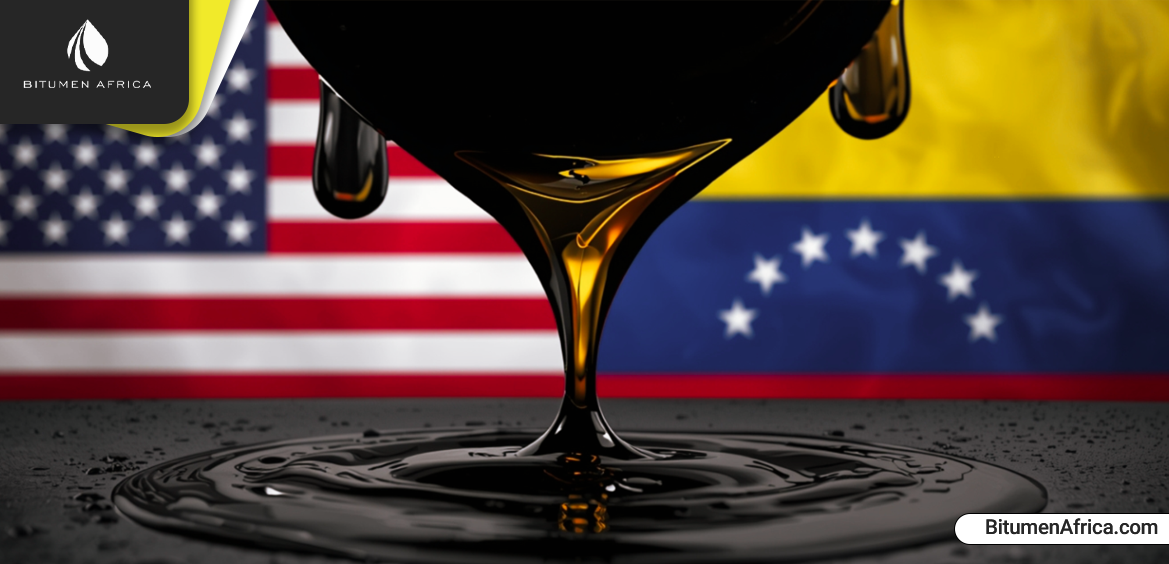
Venezuela’s oil industry has entered one of its most unusual chapters in modern history. Five weeks after the United States took control of the country’s crude sales under a bilateral agreement, Washington says the arrangement is already generating billions — and could mark the beginning of a long, difficult road toward rebuilding the country’s collapsed energy sector.
U.S. Energy Secretary Chris Wright, speaking to NBC News during a historic visit to Caracas, revealed that Venezuela’s oil sales are expected to bring in $5 billion over the next few months. So far, more than $1 billion in crude has already been sold, and $500 million has been transferred back to Venezuela through a U.S. Treasury‑controlled account.
All sales are being handled by global commodity giants Vitol and Trafigura, with every dollar routed back to Caracas under strict oversight. It’s a dramatic shift for a country whose oil revenues were once tightly controlled by the Maduro government — and whose industry has been in freefall for over a decade.
💰 Billions Flowing In — But Rebuilding Will Be Costly
Despite the influx of cash, Secretary Wright was blunt about the scale of the challenge ahead. Venezuela’s oil infrastructure is corroded, under‑maintained, and technologically outdated after years of mismanagement and sanctions.
“There is a lot of work to be done and massive investments need to flow,” Wright said. Still, he added that Venezuela is “on the road to becoming investable.”
That optimism is not universally shared.
At a White House meeting last month, ExxonMobil CEO Darren Woods described Venezuela as “uninvestable,” citing the country’s legal and commercial framework. His comments reportedly frustrated President Trump, who has been urging U.S. drillers to return to Venezuela and help revive the sector.
⚡ A Potential Production Surge — If Conditions Improve
During his visit, Secretary Wright suggested that Venezuela’s oil output could rise sharply as early as this year.
“This year, we can drive a dramatic increase in Venezuelan oil production, in Venezuelan natural gas production and Venezuelan electricity production,” he said.
Such a surge would require rapid repairs, new drilling, and a stable regulatory environment — all of which remain uncertain.
🏛️ Legal Reforms: A Step Forward, But Not Enough
Caracas recently amended its oil law in an effort to attract foreign capital. Wright called the reform “a meaningful step in the right direction,” according to the Associated Press, but added that it is “probably not far and clear enough to encourage the kind of large capital flows” needed to revive the sector.
In other words: progress, but not yet a turning point.
🔮 The Road Ahead: Opportunity Meets Uncertainty
Venezuela sits atop the world’s largest proven oil reserves — more than 300 billion barrels. But geology alone won’t bring investors back. The country needs:
- Clear, stable legal frameworks
- Protection for foreign investors
- Massive infrastructure rehabilitation
- Reliable power and gas supply
- A depoliticized national oil company
The U.S.‑controlled sales mechanism may stabilize revenue in the short term, but long‑term recovery hinges on deep structural reforms.
For now, Venezuela is earning billions again — something unthinkable just a few years ago. Whether this moment becomes the start of a genuine revival or just another brief upswing in a long decline will depend on what happens next in Caracas, Washington, and the global oil market.