
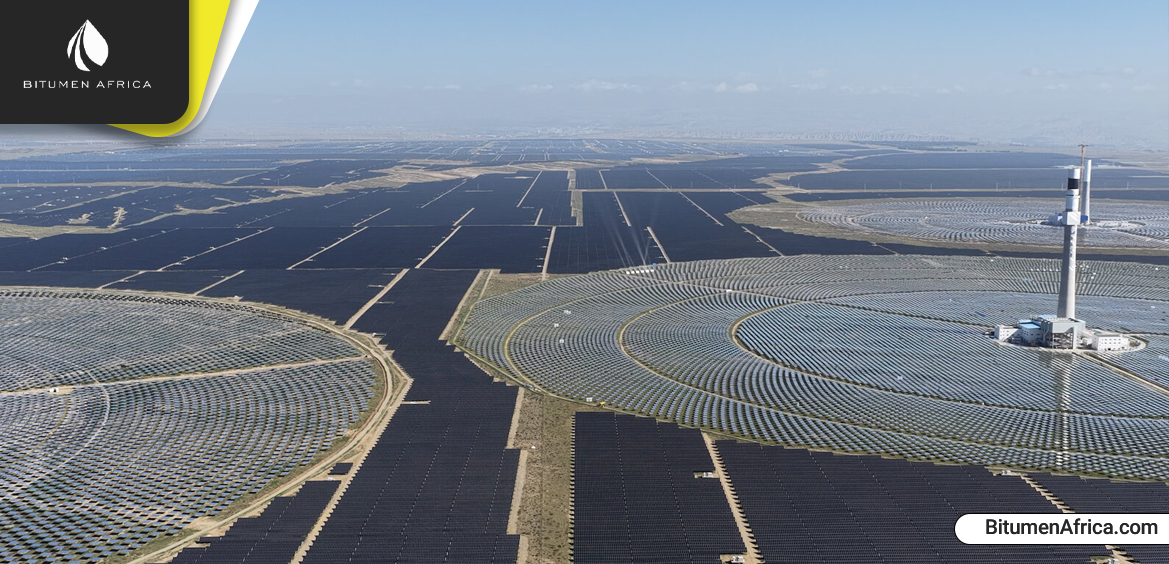
China is approaching a major turning point in its energy transition, with solar power capacity expected to overtake coal-fired generation capacity for the first time in the country’s history.
According to data from the China Electricity Council (CEC), China’s installed solar power capacity reached 1,274 gigawatts (GW) by the end of June 2026, only slightly below its total coal-fired power capacity of 1,275 GW. Officials said that solar power had effectively reached parity with coal, becoming one of the largest sources of installed electricity capacity in the country.
The milestone highlights the rapid expansion of renewable energy in China, where solar installations have grown at an unprecedented pace as part of the government’s strategy to reduce dependence on fossil fuels and accelerate the development of clean energy infrastructure.
Renewable Energy Drives China’s New Power Growth
The latest mid-year report from the China Electricity Council shows that renewable energy sources have become the primary contributor to China’s new electricity capacity additions.
During the first half of 2026, China’s total non-fossil energy generation increased by 8.5% compared with the same period last year. According to Hou Wenjie, director of the statistics and data intelligence department at the CEC, growth from non-fossil energy sources accounted for 70.7% of the country’s total increase in electricity generation.
Solar and wind power have played the leading role in this expansion, supported by large-scale investments in renewable infrastructure, advanced grid systems, and energy storage technologies.
Coal’s Share of Electricity Generation Falls Below 50%
China has also reached another historic energy milestone: coal’s share of electricity generation dropped below 50% for the first time ever.
Official data from China’s National Energy Administration (NEA) showed that coal accounted for 49.7% of electricity generation during the first half of 2026, marking a significant decline in a country that has traditionally relied heavily on coal to power its industrial economy.
At the same time, renewable energy generation increased by around 9% year-on-year, with renewable sources contributing 41.2% of China’s total electricity output.
Wind and solar power combined generated nearly 25% of China’s electricity, demonstrating the growing importance of clean energy in the world’s largest electricity market.
China’s Energy Transition Continues Despite Coal Dependence
Although renewable energy is expanding rapidly, China has not abandoned coal completely. Coal-fired power plants continue to play an important role in supporting industrial production and maintaining grid stability, especially during periods of high electricity demand or when renewable generation fluctuates.
China’s electricity system still depends on coal as a reliable backup source, but the declining share of coal and the rapid growth of solar and wind capacity indicate a major structural shift in the country’s energy landscape.
A Global Impact on the Solar Industry
China’s rapid solar expansion has significant implications for the global energy market. As the world’s largest solar manufacturer and one of the biggest investors in renewable infrastructure, China’s continued growth is expected to influence solar technology costs, supply chains, and clean energy adoption worldwide.
The transition also demonstrates how large-scale renewable deployment can reshape national power systems. With solar capacity now nearly matching coal capacity, China is moving closer to a future where renewable energy becomes the foundation of its electricity supply.
While challenges remain—including grid flexibility, energy storage, and balancing renewable generation—the latest figures show that China’s energy transformation is accelerating faster than many analysts expected.
China’s solar revolution has reached a historic stage: renewable energy is no longer a future ambition but a central pillar of the country’s power system.