
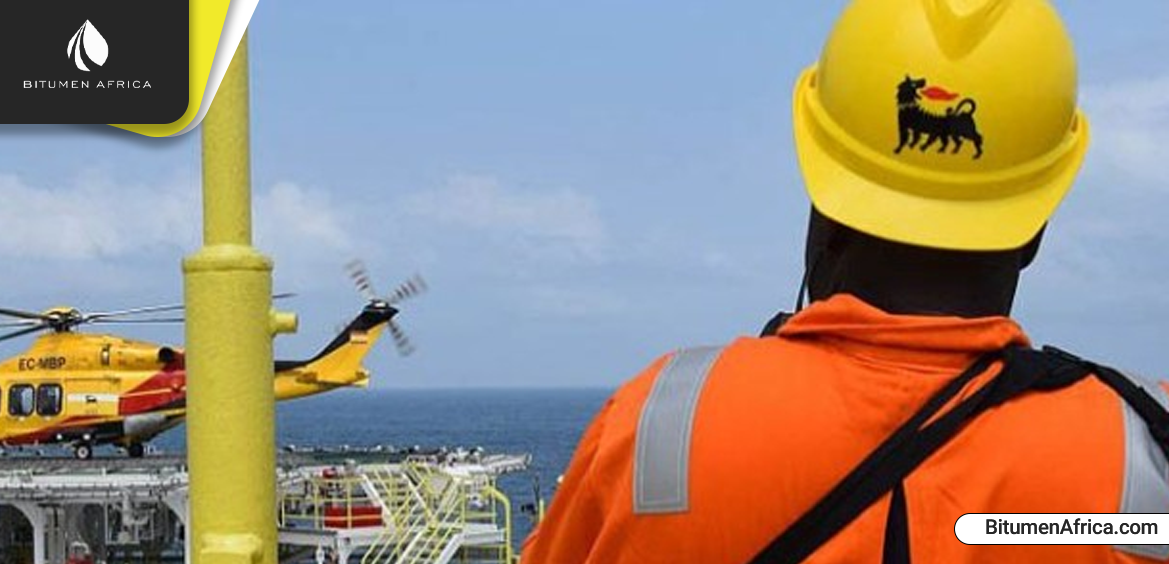
Egypt’s announcement that it has fully repaid roughly US$6.1 billion in outstanding debts to foreign oil and gas companies marks a significant shift in both its domestic energy strategy and its role in the global gas market. For international energy firms—and the governments backing them—this development removes a major financial obstacle just as interest in Egypt’s vast hydrocarbon potential is accelerating.
At the same time, it signals something larger: a renewed geopolitical contest over one of the Eastern Mediterranean’s most strategically important energy hubs.
A Strategic Gas Power in the Making
Egypt is increasingly viewed as a critical alternative supplier of natural gas, especially after Europe’s urgent search for non-Russian energy sources following Russia’s 2022 invasion of Ukraine.
Official estimates place Egypt’s proven natural gas reserves at around 93 trillion cubic feet (Tcf). However, many analysts believe the true figure is significantly higher—potentially three to four times larger.
Even more striking is the assessment from the United States Geological Survey, which estimates that the Nile Delta Basin Province alone may contain up to 286 Tcf of undiscovered, technically recoverable gas.
Combined with its geographic position astride key hydrocarbon transit routes and its long-standing diplomatic influence in the Arab world, Egypt’s energy importance extends well beyond its borders.
Debt Clearance Unlocks Foreign Investment
The repayment of outstanding obligations removes a key source of friction between Egypt and international energy companies. It also clears the way for expanded Western investment in oil and gas development projects across the country.
For global firms, payment certainty is often as important as geological potential. Clearing arrears signals improved financial discipline and reduces perceived sovereign risk, making new exploration and production projects more viable.
Egypt’s Petroleum and Mineral Resources Minister, Karim Badawi, framed the move as part of a broader effort to stabilize the sector and attract long-term capital inflows.
A New Economic Defense Strategy
Behind this shift lies a more structured attempt by Egypt to avoid repeating recent economic instability.
The country experienced severe foreign currency shortages and debt pressures following the global energy and food shocks triggered by the Ukraine war. As a major wheat importer, Egypt was hit particularly hard by rising grain prices, while capital outflows added further strain.
To counter these risks, policymakers have introduced a multi-layered economic defense framework designed to stabilize foreign reserves and reduce exposure to external shocks.
Key elements include:
- Reduced state exposure in energy projects, lowering sovereign liability if delays or cost overruns occur
- Currency policy reform, including the abandonment of the Central Bank’s artificial peg of the Egyptian pound
- Expanded external support, including an enlarged US$8 billion package from the International Monetary Fund, alongside additional assistance from the World Bank and the European Union
These reforms are intended to make Egypt less vulnerable to the kind of currency depletion cycle that previously undermined investor confidence.
A Renewed Geopolitical Energy Contest
While Western companies are well positioned to benefit from Egypt’s opening energy landscape, they are not alone.
Both China and Russia are actively seeking to expand their influence in Egypt’s energy sector, aiming to secure upstream assets and long-term supply agreements. This creates a competitive environment in which infrastructure investment, financing terms, and political alignment all play a role.
Egypt, in turn, is attempting to balance these competing interests while maximizing foreign capital inflows—without repeating past cycles of overreliance on debt-financed expansion.
What Comes Next
Egypt’s combination of large untapped reserves, strategic geography, and improving financial discipline makes it one of the most closely watched energy markets in the Eastern Mediterranean.
If current reforms hold, the country could:
- Accelerate offshore gas exploration in the Mediterranean
- Expand liquefied natural gas (LNG) infrastructure
- Become a key re-export hub for regional gas supplies
- Strengthen its role as an energy bridge between Africa, the Middle East, and Europe
But success will depend on whether economic reforms remain consistent and whether geopolitical competition remains manageable.
Bottom Line
Egypt’s debt clearance to foreign oil companies is more than a financial milestone—it is a signal of intent. The country is positioning itself as a central player in the global gas supply chain at a time of heightened energy insecurity.
Whether it becomes a stable investment hub or a renewed arena of geopolitical competition will depend on how effectively it manages the delicate balance between openness, sovereignty, and external influence.