
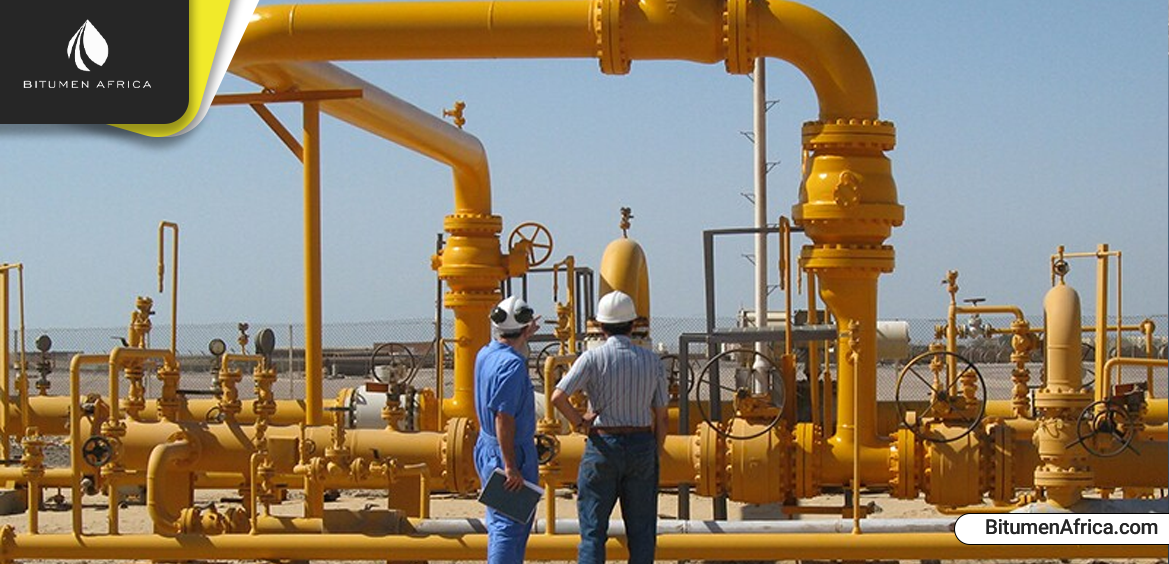
Egypt’s upstream sector has received a welcome lift with a new gas discovery in the Western Desert. The Gomana-1 well, operated by Khalda Petroleum Company—a joint venture between the state and Apache—has encountered several gas-bearing intervals. Early tests suggest output of around 36 million cubic feet per day, according to Daily News Egypt. The find is now undergoing reserve evaluation before being integrated into the operator’s development plans.
🏜️ Khalda Petroleum has long been a cornerstone of Egypt’s onshore production, delivering fast-cycle, lower-cost volumes that balance the country’s more complex offshore hubs. Its Western Desert portfolio has steadily expanded through decades of drilling campaigns, making it a critical player in Egypt’s energy mix.
📈 The Gomana-1 discovery follows two other Western Desert finds earlier in November. On November 8, the petroleum ministry confirmed a new gas strike at the Badr-15 field, operated by Badr El Din Petroleum. That well is yielding about 16 million cubic feet per day, with recoverable resources estimated at 15 billion cubic feet. A subsequent update highlighted initial condensate output of roughly 750 barrels per day. While modest individually, these discoveries underscore where Egypt’s incremental gains are currently coming from: onshore fields with rapid drilling cycles and relatively low upfront capital requirements.
⚡ These developments arrive at a critical time. Egypt is struggling to meet domestic gas demand, as output from major offshore hubs—particularly Zohr—continues to fall short of expectations. Operators have slowed activity amid mounting arrears, leaving Cairo increasingly reliant on near-term additions from smaller, quicker-to-develop fields.
💰 Beyond these discoveries, Egypt is pursuing broader upstream efforts, including a $6-billion crude oil investment push and the still-unresolved $35-billion gas framework. Together, these initiatives highlight the government’s urgency in shoring up energy security and stabilizing supply.
🌍 For Egypt, every new well counts. The Western Desert may not deliver the headline-grabbing volumes of offshore megaprojects, but its steady stream of fast-cycle discoveries is proving vital in bridging the gap between demand and supply.