
For decades, East Africa has faced a major energy paradox: the region possesses vast oil and gas resources, yet remains heavily dependent on imported refined fuels. Countries including Uganda, South Sudan, Kenya and the Democratic Republic of Congo (DRC) collectively hold an estimated 4.7 billion barrels of crude oil reserves and more than 70 trillion cubic feet of natural gas, according to the African Energy Commission (AFREC). However, after Kenya Petroleum Refineries Limited (KPRL) ceased operations in 2013, the region has relied almost entirely on imported gasoline, diesel and jet fuel.
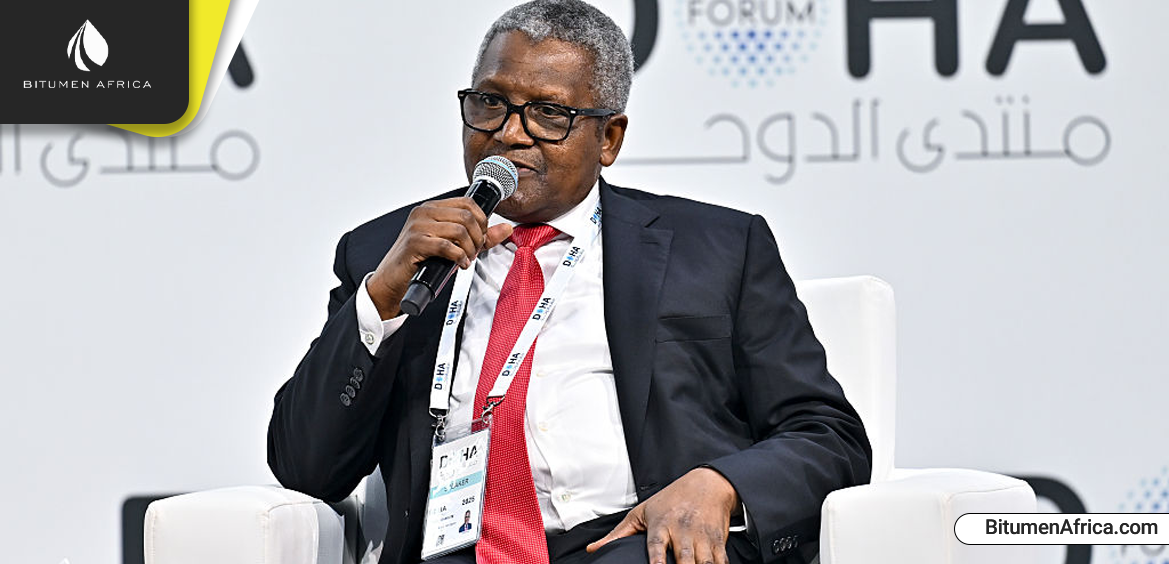
Now, a major industrial project led by Nigerian billionaire Aliko Dangote could reshape East Africa’s energy landscape. Dangote has announced plans for a $17 billion refinery on Kenya’s Lamu Island, with a planned processing capacity of 700,000 barrels per day. If completed, the refinery would become one of Africa’s largest energy infrastructure projects and could position Kenya as a key fuel supply hub for the region.
A Strategic Refinery for East Africa
The proposed Lamu refinery is designed to serve multiple markets, including Kenya, Uganda, South Sudan, Rwanda, Burundi and the DRC. With East Africa’s current refined fuel demand estimated at around 450,000 barrels per day, the refinery’s 700,000 bpd capacity would create a surplus of approximately 250,000 barrels per day, allowing Kenya to export refined products to other African markets.
One of the project’s biggest advantages is its location. Lamu’s natural deep-water port, with depths reaching 18 meters, can accommodate large Post-Panamax crude tankers carrying up to 2 million barrels of oil. These vessels are too large to operate through Mombasa, giving Lamu a strategic advantage for international crude imports and fuel exports.
The refinery would have the ability to produce essential energy products including gasoline, diesel, jet fuel and petrochemical feedstocks, strengthening Africa’s internal energy supply chains.
Boosting Kenya’s Economy and Creating Thousands of Jobs
Beyond energy security, the project is expected to deliver significant economic benefits. Construction and operations are projected to create more than 60,000 jobs, making it one of the largest employment-generating industrial projects ever planned along Kenya’s coastline.
Located within the strategically important LAPSSET Corridor, the refinery is also attracting regional investment partnerships. Tanzanian billionaire Mohammed Dewji has expressed interest in investing $100 million into the development, highlighting growing private-sector confidence in East Africa’s industrial potential.
Supporting African Industrial Integration
The Lamu refinery could become a major test case for Africa’s ambition to build stronger regional supply chains through the African Continental Free Trade Area (AfCFTA).
The facility would be capable of processing crude from East African producers such as Uganda, South Sudan and Kenya as their oil production expands. It could also receive crude shipments from major African exporters, including Nigeria and Angola.
Finished petroleum products could then be distributed across the AfCFTA market, which connects 55 African countries, representing approximately 1.4 billion people and a combined economy of around $3.4 trillion. As trade barriers continue to decline, large-scale industrial projects like the Lamu refinery could play a central role in increasing intra-African commerce.
Lessons From Nigeria’s Dangote Refinery
The Lamu project follows the success of Nigeria’s own Dangote Refinery, which has demonstrated the potential economic impact of domestic refining capacity.
Commissioned in 2023, the 650,000 barrels-per-day Dangote Refinery transformed Nigeria from a country dependent on imported refined fuels into an emerging energy self-sufficient market. The refinery now meets Nigeria’s domestic demand for gasoline, diesel and jet fuel while reducing the country’s reliance on foreign suppliers.
By lowering fuel import costs, the project has helped improve Nigeria’s balance of payments, reduced pressure on foreign currency reserves and supported greater economic stability. The stronger financial position also contributed to Nigeria receiving its first sovereign credit rating upgrade to B in 14 years, improving access to international financing.
The Nigerian experience shows how local refining capacity can retain more value within an economy, reduce dependence on foreign exchange and strengthen national energy security.
A New Era for East Africa’s Energy Future
Kenya’s proposed Lamu refinery represents more than an energy project—it is a vision for regional industrial transformation. By connecting East African oil producers, international suppliers and African consumers, the refinery could help turn the region from a fuel-importing market into a competitive energy hub.
If successfully developed, the project could become a cornerstone of Africa’s push toward greater energy independence, regional trade integration and industrial growth.