
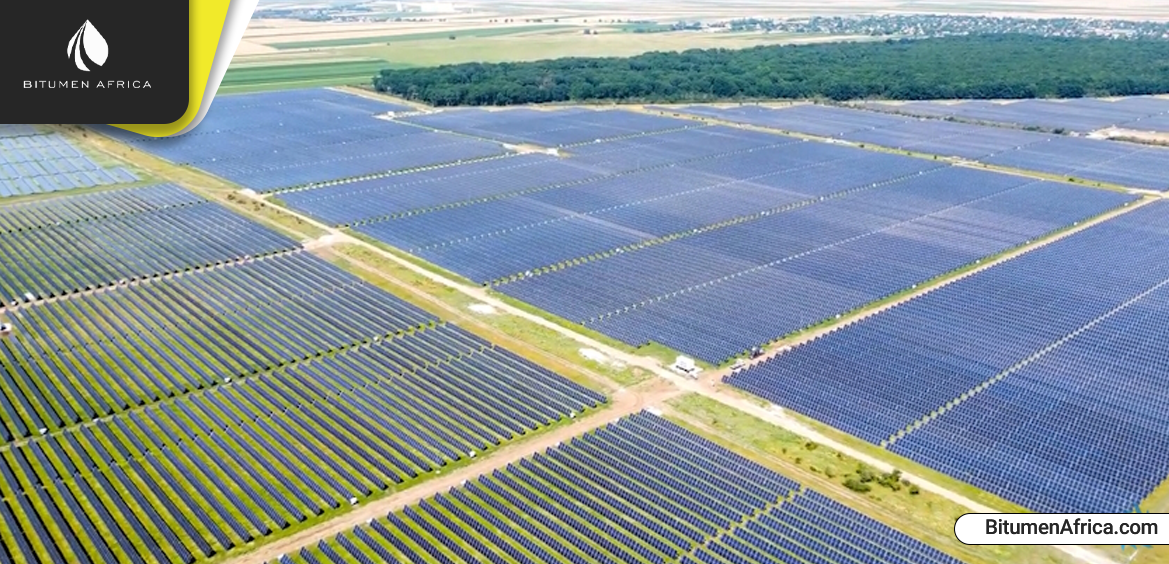
Romania is emerging as one of Europe’s most dynamic solar markets, with installed capacity expected to exceed 7 gigawatts by early 2026. This rapid growth is fueled by strong consumer demand, generous EU funding, and the participation of more than 290,000 commercial and residential prosumers. For a country long reliant on coal, the shift marks a decisive step toward cleaner energy, greater energy security, and alignment with European Union decarbonization goals.
Although Romania still trails Europe’s solar heavyweights—Germany, Spain, Italy, the Netherlands, and France—it has set ambitious targets. The government aims to reach 8.2 GW of solar capacity by 2030 and increase the share of renewables to 30.7% of the national energy mix. With roughly 210 sunny days each year and high‑yield regions such as the Black Sea coast, Northern Dobruja, and Oltenia, the country is well‑positioned to accelerate its transition. Solar currently provides about 5% of Romania’s electricity, but that share is rising quickly.
Romania’s broader decarbonization story is equally striking. According to The Guardian, the country has reduced its greenhouse gas emissions intensity by an impressive 88% between 1990 and 2023—faster than any other nation in Europe. Much of this progress stems from post‑communist industrial restructuring, EU membership in 2007, and the introduction of carbon pricing and modernization funds. Investments in nuclear energy and a green certificate scheme further helped Romania pivot away from lignite coal and heavy oil, once the backbone of its energy independence under Nicolae Ceaușescu.
Today, Romania is experiencing a solar boom that mirrors the EU’s record‑breaking 56 GW of new installations in 2023. Large‑scale projects dominate the landscape, including a 760 MW solar farm near Bucharest—set to become Europe’s largest—and an even bigger 1 GW plant approved in the northwest. The Dama project, with 1.04 GW of peak capacity and a 500 MW storage system, is slated for completion in 2028. Backed by financing from institutions like the European Investment Bank and the EBRD, Romania’s solar revolution is gathering momentum and reshaping the country’s energy future.