
Advanced technologies aim to make solar power more efficient, durable, and profitable
Solar energy has become the world’s fastest-growing source of new electricity capacity, largely because it is now the cheapest form of energy generation to build in most regions. From large utility-scale projects to residential installations, solar power continues to expand rapidly as countries look for cleaner and more secure energy sources.
Even in the United States, where solar installation costs have increased by around 18% following new tariffs introduced under the Trump administration, solar remains one of the most affordable options for expanding electricity generation capacity.
However, the rapid growth of the solar industry has created a new challenge: profitability. As competition increases and equipment prices continue to fall, manufacturers and developers are facing tighter margins. The next major breakthrough in solar energy may therefore depend not only on producing more panels, but on creating smarter, more efficient, and more durable technologies.
The next generation of solar technology
Future solar solutions are being developed with two main goals: improving panel performance and reducing production costs.
Researchers and startups around the world are exploring new materials that can capture more sunlight than traditional silicon-based panels. Others are redesigning the structure and mechanics of solar systems to increase energy capture throughout the day, allowing panels to better follow changes in the sun’s position across different seasons.
These innovations could provide benefits across the entire solar industry:
- Lower manufacturing and installation costs
- Higher electricity output from the same surface area
- Longer panel lifespans
- Improved return on investment for solar projects
- Greater energy independence for countries and businesses
For consumers, this means more affordable clean energy. For companies, it could help restore profitability and encourage continued investment in renewable technologies.
Perovskite solar cells: A promising breakthrough
Among the emerging technologies in the solar sector, perovskite-based solar cells are attracting significant attention.
Perovskite materials have the potential to improve solar panel efficiency while reducing manufacturing complexity. They can also be combined with traditional silicon technology to create tandem solar cells capable of converting more sunlight into electricity.
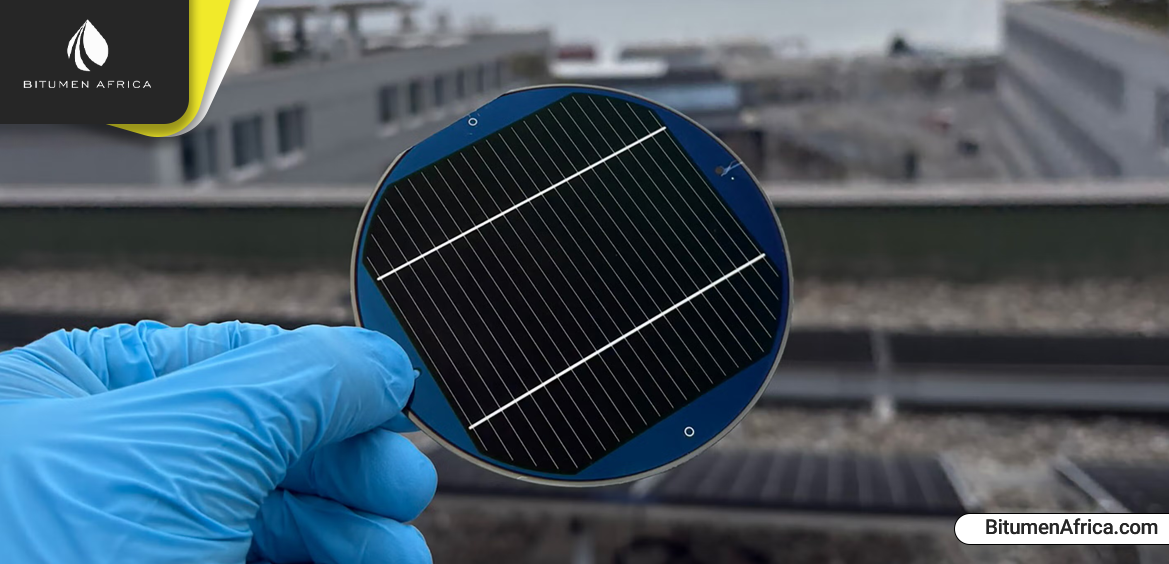
Recently, researchers at The Hong Kong Polytechnic University announced the development of a new perovskite-organic tandem solar cell that maintained 97% efficiency even when part of the device was shaded.
This achievement is particularly important because shading is one of the biggest challenges facing conventional solar panels. When parts of a traditional solar module are blocked by clouds, buildings, or debris, the affected cells can experience reverse-bias stress, potentially causing permanent damage.
According to Professor Li Gang, chair professor of energy conversion technology at PolyU’s Department of Electrical and Electronic Engineering, the research represents an important advance in improving the stability and durability of organic and perovskite solar technologies.
Solving the solar industry’s profitability challenge
The development of better solar technology comes at a critical moment for the global renewable energy market.
According to analysis from McKinsey & Company, solar developers are facing increasing pressure as competition grows, land availability becomes more limited in some markets, and electricity grids struggle to accommodate new renewable capacity.
A major factor affecting solar economics is capital expenditure. The cost of purchasing equipment, developing projects, and building infrastructure represents a significant portion of the total cost of solar electricity.
Improving capital efficiency through better-performing panels could help maintain solar energy’s competitive advantage while allowing companies to achieve healthier profit margins.
Why efficient solar technology matters more than ever
The future of energy is facing several major challenges. Electricity demand is rising rapidly due to the expansion of artificial intelligence, data centers, electric vehicles, and digital infrastructure.
At the same time, geopolitical tensions and disruptions in global oil markets have highlighted the importance of energy security. Countries are increasingly looking for reliable domestic energy sources that reduce dependence on volatile fossil fuel supplies.
Advanced solar technologies could play a key role in addressing these challenges. By creating panels that are cheaper, more efficient, and more resilient, the industry can continue expanding while maintaining economic sustainability.
The future of solar is smarter and more efficient
Solar power has already transformed the global energy landscape, but the next stage of growth will depend on innovation.
From perovskite tandem cells to redesigned solar systems, next-generation technologies could unlock higher efficiency, lower costs, and greater reliability. As the world moves toward cleaner energy systems, improving solar technology will be essential—not only for reducing emissions but also for building a more secure and sustainable energy future.